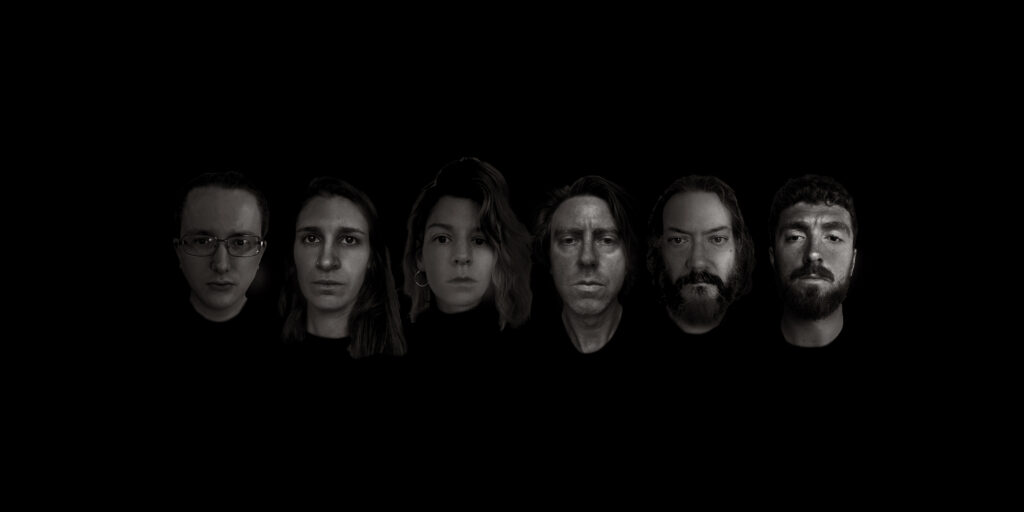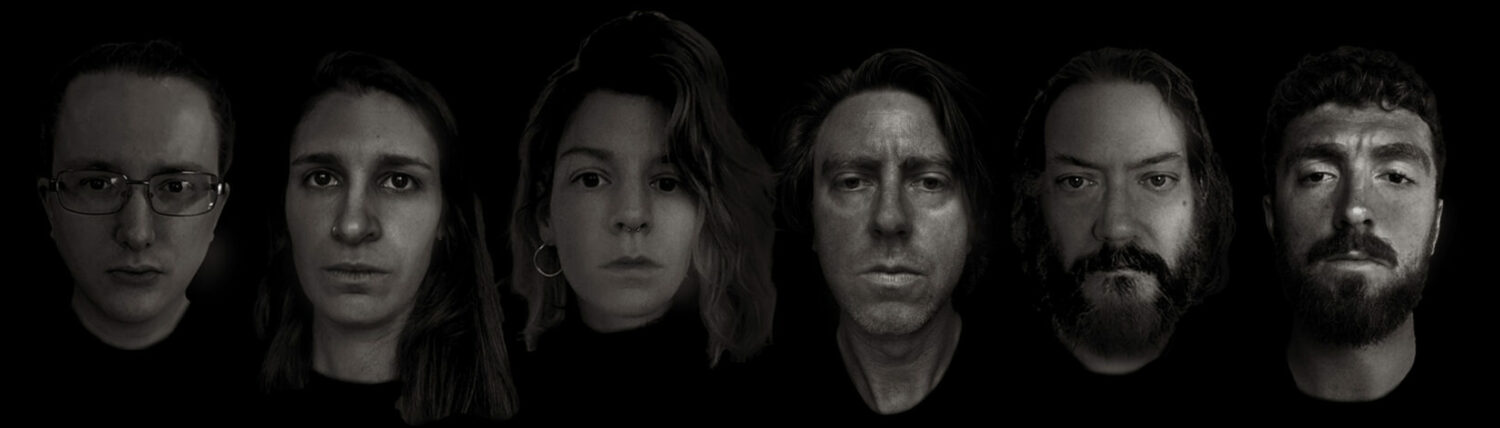
Auld Spells are an Edinburgh based dream pop band formed around a shared devotion to Scottish independent music from the 1980s and early 1990s, with Scotland’s atmosphere, landscape, and history central to the band’s sound and identity. Their music blends chiming guitars, hazy synths, and multi vocalists, drawing equally from jangle pop and more overtly dreamlike, layered tones. Fans of Cocteau Twins, The Pastels, The Jesus and Mary Chain, Lowlife, or Close Lobsters will find familiar ground.
The band began after Thomas Danbury and Rob Fellman met by chance at a house in south Edinburgh that once operated as Palladium Studios, where several early and seminal 4AD recordings took place. Both had been drawn independently to the history of the house and the music made there, and arriving at the same time on the same day became the starting point for a project rooted in mood, melody, and place.
With an initial direction established, Danbury and Fellman placed adverts in local record shops looking for a drummer. Peter Wilson answered, bringing a restrained, spacious approach to rhythm that helped define the band’s early sound and sense of pacing. His playing favoured feel over force, allowing songs to breathe and develop gradually.
Bassist Nikoletta Louca, originally from Cyprus, joined soon after. After the band approached her following a local show, she initially remained committed to her existing project. Some time later she arrived at an Auld Spells rehearsal and began playing, and from that point her bass became central to the band’s dynamic, anchoring the low end with control and weight while giving the songs room to move.
As the sound developed, the band began searching for a second guitarist. After several auditions that didn’t quite fit, Wilson suggested an old friend, Jamie Hunter. They eventually found him busking on Rose Street, playing hypnotic, folk-tinged melodies filtered through heavy effects. His approach, closer in spirit to textured guitar playing than traditional street performance, immediately aligned with the band’s direction, and he was asked to join.
Vocalist Sandy Spanikova, from Slovakia, completed the lineup after stepping onstage at an early show and taking the microphone. With a direct, assured presence and a voice that brought both clarity and emotional force, her role within the band quickly became clear.
Vocals are now shared across several members of the band, adding contrast and variation while avoiding a fixed centre. As the lineup settled, songs continued to be built slowly and deliberately, with texture and space given equal weight to melody. Auld Spells continue to write and release music shaped by tone and emotional weight, following their own internal logic rather than external expectation.
You can find the band’s songs on their Bandcamp page and subscribe to Auld Spells Spotify here
Watch all of the videos on the Auld Spells YouTube channel.